System · Shopping and budget
Shop your own shelves before the store
Quick answer
Write the list from the week's dinners first, with an amount on every line. Then take it to the pantry, fridge and freezer and write down what you already have. Buy only the gap: what the week needs, plus anything you want left over, minus what's on the shelf, rounded up to whole packages. In our example, 4 of 10 lines come off before the store. USDA lists buying more than you need as one reason households throw food away.
Source: Food Waste FAQs, USDA, checked October 9, 2026.
- 31%of food at the store and household level was lost or wasted in 2010, by USDA's estimate
- $161 billionthe value of that food, about 133 billion pounds
- 4 of 10lines the shelf covered in our worked example, before anyone left the house
- 6lines left to buy in the example, each rounded up to whole packages
Source: Food Waste FAQs, USDA, checked October 9, 2026.
Part 1
The decision first
Do it yourself
Check the shelf every week
You shop once a week from a dinner plan and keep finding a second jar of the same sauce at home, or the bill keeps going up without a bigger cart. A shelf check right before each trip catches both.
Skip it
Keep a short staples list instead
If you buy one dinner at a time on the way home, a full check before every trip is too much. Keep a short list of staples on the fridge and count the pantry once a month with the pantry inventory.
Get help
Get help instead
A medical diet or a food allergy needs a registered dietitian or your doctor. If the grocery money runs out before the month does, a local food pantry can help. This page plans lists only.
Part 2
The steps, in order
Plan the week's dinners first
The list comes from the dinners, so plan those first. The weekly dinner plan gives each night a job and lists what each dinner needs by store section.
Have readyThe week's calendarThe weekly dinner plan
Write one line per ingredient, with an amount
Go through every dinner and write each ingredient once, with the total for the week. Pick one unit per line: cans, pounds, cups or a count. If a recipe says cups and the bag says pounds, convert before you go on.
Have readyThe recipes or dinner notesThe pantry check list
Shop the house
Take the list to the pantry, fridge and freezer and write what you have next to each line, in the same unit. Weigh or measure opened bags. Anything that needs using soon goes on the use-first lines, and you can swap a dinner to use it. For how long food keeps, check USDA's FoodKeeper.
Have readyThe listPantry, fridge and freezer open
Source: FoodKeeper App, FoodSafety.gov, checked October 6, 2026.
Set what you want left after the week
For the few staples you never want to run out of, like oil, salt or a can of tomatoes, write a keep-after amount. Keep the list of these short. The pantry inventory holds the levels so you don't have to decide them every week.
Have readyYour restock levels from the pantry inventory
Work out the gap in whole packages
Gap = the week's need + keep after − on hand. Lines at zero or below come off. Divide the rest by the package size and round up. The pantry-first grocery list does this for up to 12 lines and shows what will be left over.
Have readyPackage sizes you usually buy
Group the list by aisle and shop once
Print the list by store section in the order you walk the store. Check the unit price on the big items with the price per unit calculator. Anything you add in the store goes at the bottom of the list, so you can see later what was added.
Have readyThe printed store listA pen for the cart
Put the new behind the old
At home, put new packages behind the opened ones so the older ones get used first. Update the freezer inventory and the pantry counts while the bags are still on the counter.
Have readyThe pantry and freezer records
Figure
The tools in this system
Let the tools do the arithmetic
- GroceryPantry-first grocery listList what the week's dinners need, enter what's already on the shelf, and get a store list of only the gap, rounded up to whole packages.Open the tool
- FreezerPantry inventory and restock listCount the pantry shelf by shelf, set a restock point and a full level for each staple, and print the inventory with a restock list sorted by zone.Open the tool
- PlanWeekly dinner plan generatorPlan seven dinners as cook, leftover, assemble and flex nights, rotate four dish types, and print the week with a grocery list by store section.Open the tool
- FreezerFreezer inventory and labelsList what's in the freezer, see it sorted oldest first, count how many dinners the cooked dishes cover, and print an inventory sheet with labels.Open the tool
- GroceryPrice per unit calculatorCompare grocery prices by the ounce, pound, fluid ounce or item, including multi-packs and 2-for deals, then print a price book page.Open the tool
Part 3
What goes wrong
What happens when you skip a step, and how to catch it.
Checking the night before
Someone uses the last eggs between the check and the trip. Check right before you leave.
Counting by eye
Writing "some rice" instead of an amount turns into a second bag of rice. Measure or weigh what's opened.
Mixed units on one line
Cups on the recipe side and pounds on the shelf side can't be subtracted from each other. Convert first.
A keep-after on everything
If every item gets a spare, the list grows back to its old size. Keep spares for a handful of staples.
Buying fresh while the opened jar waits
A new jar goes in front and the opened one gets lost at the back. Use-first lines, and new packages behind old ones, help with that.
Part 4
Variants that change the steps
Shopping for one or two
Rounding up to whole packages leaves more left over in a small household. Plan a second dinner that uses the rest of the package, and halve family recipes with the portion scaler.
Monthly stock-up at a warehouse club
Do the shelf check once a month for staples and keep the weekly check for fresh food. Before buying the big size, read is bulk really cheaper.
Pickup or delivery orders
Build the list the same way, then type it into the app by section. Decide the swap for each item before you order, so a substitution doesn't land a second package of something you already have.
Holiday stocking in November
Check the baking and side-dish staples before the big Thanksgiving shop, and run the holiday list through the same check. The Thanksgiving dinner plan has the headcount and the shopping trips.
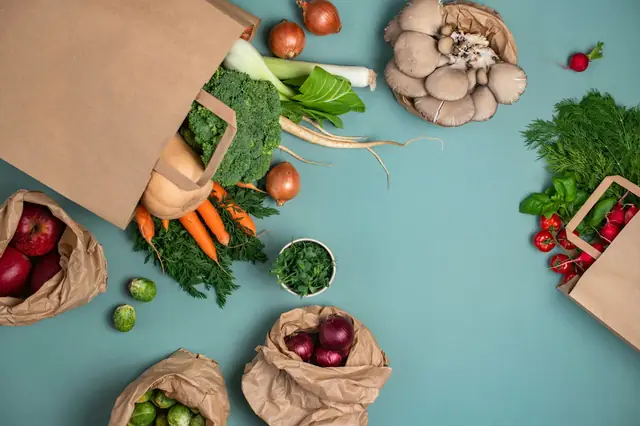
Figure
Source: Food Waste FAQs, USDA, checked October 9, 2026.
From the kitchen table
Tips and tricks
Take a phone photo of the open pantry before you leave. In the store it settles the "do we have this?" question.
Keep a "used the last one" line on the fridge list. Whoever empties a staple writes it down.
Walk the house in the same order as the store, so the list comes out grouped by aisle.
Plan one use-it-up dinner a week from the use-first lines.
Count the staples once a month with the pantry inventory, and only check the week's lines every week.
Recommendation
What we would do
Write the list from the dinner plan on Sunday, then check the shelf with the list in hand right before you leave. Give keep-after levels to five or six staples only. Shop the printed list by aisle and write any extras at the bottom. After two or three weeks, those extras show what to plan for next time.
Part 6 · Free, one page, US Letter
Print the working copy
Pantry check list
- Shop the house first
- Use first this week
- Before you leave
- Store list by aisle
Planned for the store: the full Pantry-First Shopping Kit, a binder of pantry check list: week needs, keep after, on hand, gap, packages, store list by aisle with an extras line, staples card: keep-after levels for the pantry, fridge and freezer, trip log: lines bought, extras added, lines the shelf covered, monthly stock-up version for warehouse-club shopping.
Part 5
The primary source
U.S. Department of Agriculture. Checked October 9, 2026.
USDA's food waste page gives the federal estimate of how much food is lost at the store and household level and names buying more than you need as one cause. That's why this system checks the shelf before the store. We read the page on October 9, 2026.
Asked often
Questions
What is a pantry-first shopping list?
A grocery list you check against your own pantry, fridge and freezer before you shop. Lines the shelf already covers come off, and the rest are rounded up to whole packages.
How do I stop buying things I already have?
Check the shelf with the list in hand right before you leave, and write what you have next to each line in the same unit. Put new packages behind opened ones when you get home, so the opened ones stay in sight.
How much food do US households waste?
USDA estimates that 31% of food at the retail and consumer levels was lost or wasted in 2010, about 133 billion pounds worth $161 billion. It puts total food waste at 30 to 40% of the food supply. USDA names buying or cooking more than you need as one cause on the consumer side.
Source: Food Waste FAQs, USDA, checked October 9, 2026.
How often should I do a full pantry inventory?
Once a month works for most households. Check the week's lines every week, and count everything on the shelves monthly with the pantry inventory.
How long can I keep what's in the pantry or freezer?
This page doesn't give storage times. Look each item up in USDA's FoodKeeper, then put anything that needs using on the use-first lines.
Source: FoodKeeper App, FoodSafety.gov, checked October 6, 2026.
Read next
Guides in this system
 Problem-solving guide · 6 min readGrocery bill keeps creeping up: a weekly routine that worksWhy grocery totals drift up week after week, and a short weekly routine to catch it: plan dinners, shop the pantry, buy from one list, log the receipt.Read the guide
 Practical note · 5 min readStarting a price book: what to write down for the first four weeksA price book lists what your regular groceries cost, by unit price. Here's what to record each week so that after a month you know a good price on sight.Read the guide
 Problem guide · 6 min readIs the bulk size really cheaper? When the big bag losesThe big bag has the lower unit price, but you pay for the whole bag. Work out how much you must use for it to win, and spot sales and multi-packs that flip it.Read the guide
Checked and dated
Sources
- Food Waste FAQs, U.S. Department of Agriculture. Checked October 9, 2026.
- FoodKeeper App, FoodSafety.gov (USDA Food Safety and Inspection Service). Checked October 6, 2026.
Planning and arithmetic only, not nutrition, dietary, food-safety or financial advice. See every source on the sources page. Spotted an error? Tell us.