System · Weekly planning
Cook once, eat twice: one big batch, two or three dinners
Quick answer
Choose one plain base, like shredded chicken, a pot of beans or a tray of roasted vegetables, and put two or three dinners for it on the week plan. Count servings for each one (people × how much of the plate the base fills), divide by what your recipe serves and round up to the nearest half batch. Cook it once, set the portions aside before any sauce goes on, pack one container per dinner and give each night a different shape. Utah State University Extension's meal-planning tips call this "cook once, eat twice."
Source: Meal Planning 101, Utah State University Extension, checked October 12, 2026.
- 8 servingsfor tacos, soup and fried rice in the worked example: 4 × 1 + 4 × ½ + 4 × ½ for a family of 4
- 1½ batches8 ÷ 6 is 1.33, rounded up to the nearest half: 4.5 lb of chicken thighs instead of 3, with 1 spare serving
- 75 + 65 min75 minutes on Sunday, then 15, 30 and 20 minutes on the three weeknights in the example
- 30 to 40%of the US food supply is wasted, USDA estimates; cooking more than you need and throwing out the extras is one way it happens
Source: Food Waste FAQs, USDA, checked October 9, 2026.
Part 1
The decision first
Do it yourself
Cook once, eat twice
You cook dinner at least three nights a week for the same people, you have one longer cooking slot (a weekend afternoon or a quiet evening), and the fridge has room for two or three containers.
Skip it
Skip it this week
Nobody in the house will eat the same base twice, or the week has fewer than two nights at home. Plan night by night with the weekly dinner system and try one double batch the next quieter week.
Get help
Get help instead
How long cooked food keeps, and how to cool, reheat or freeze it, are food safety questions: use the USDA FoodKeeper app and FoodSafety.gov. Medical diets and allergies need a registered dietitian or your doctor. This system counts servings and plans nights.
Part 2
The steps, in order
Pick one base and its nights
Choose a base that changes shape easily: shredded chicken, browned ground beef, a pot of beans, a big pot of rice, a tray of roasted vegetables. Put it on two or three nights of the weekly dinner plan, with a gap of a day between them if you can.
Have readyThe week planA recipe you already make
Count servings for every night
For each dinner, multiply the people at the table by how much of the plate the base fills: 1 when it is the main part, ½ when it is mixed into soup or rice, ¼ as a topping. The worked example: tacos 4 × 1 = 4, soup 4 × ½ = 2, fried rice 4 × ½ = 2, so 8 servings.
Have readyThe cook-once planner
Work out the batch and the shopping
Divide the servings by what one batch serves and round up to the nearest half batch. 8 ÷ 6 = 1.33, so make 1½ batches: 9 servings, 1 spare, and 4.5 lb of thighs where the recipe says 3 lb. The cook-once-eat-three planner does this and scales the buy line.
Have readyYour recipe's servings and its main ingredient
Shop once for the whole batch
Put the scaled base on the grocery list, plus the parts that make each night different (tortillas, broth and noodles, rice and frozen peas). Check the shelf first with the pantry-first grocery list so the extra pound of chicken is the only extra thing you buy.
Have readyThe pantry-first listA pantry inventory
Cook it plain and split before the sauce
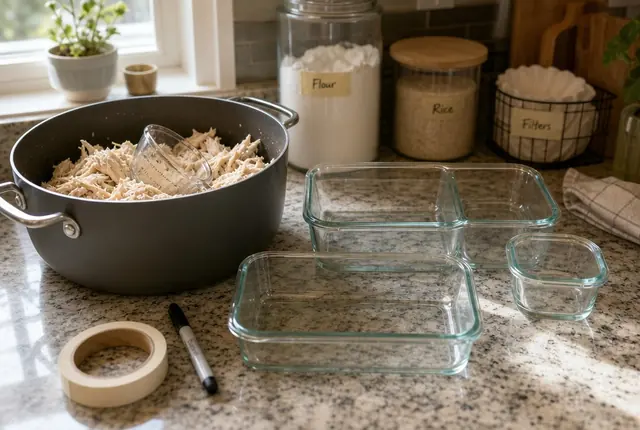
Season the base lightly and stop before any sauce. Measure what you cooked: 9 cups for 9 servings means 1 cup a serving. Portion every dinner out now (4 cups for Monday's tacos, 2 for Wednesday's soup, 2 for Friday's fried rice, 1 spare) and add each night's sauce on that night.
Have readyA big pot or two sheet pansA measuring cup
Pack one container per dinner and label it
One container per dinner, plus the spare: dinner name, day, and a blank use-by line. Fill the use-by from the USDA FoodKeeper app, not from memory. A dinner that falls after that day goes in the freezer on cooking day; the planner marks it when you type your FoodKeeper days. Container size for one dinner helps pick sizes.
Have readyContainers in the right sizesTape and a marker
Route the spare and the odd containers
Other leftovers and the spare serving go to lunches or a leftover night, oldest first. The leftover route map turns cups into servings and fills meals in date order. In its example, chili, soup and chicken and rice make 12 servings against 14 meals, so Friday's 2 lunches stay open.
Have readyThe leftover route mapLunch counts
Give each night a different shape
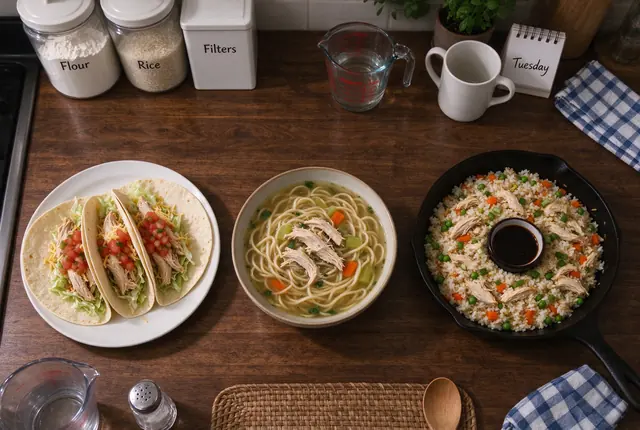
Change the form as well as the sauce: tacos, then soup, then fried rice. Leftover nights without the groans has more pairs, and three dinners from one pot of beans shows the same split for beans. At the end of the week, write on the card what was left over and change next week's batch.
Have readyThe week sheetOne crunchy or cold side per night
Figure
The tools in this system
Let the tools do the arithmetic
- Cook onceCook once, eat three plannerPlan one base, like shredded chicken or a pot of beans, for three dinners: how many batches to make, what to buy, how to split it, plus a card and labels.Open the tool
- Cook onceLeftover route mapList what's cooked in your fridge and the lunches and leftover nights ahead. The map sends each serving to a meal, oldest first, and shows what's still open.Open the tool
- PlanWeekly dinner plan generatorPlan seven dinners as cook, leftover, assemble and flex nights, rotate four dish types, and print the week with a grocery list by store section.Open the tool
- GroceryPantry-first grocery listList what the week's dinners need, enter what's already on the shelf, and get a store list of only the gap, rounded up to whole packages.Open the tool
Part 3
What goes wrong
What happens when you skip a step, and how to catch it.
Sauce on the whole pot
Once the whole batch has taco seasoning or barbecue sauce on it, every night tastes like the first one.
Rounding down
8 servings from a recipe that serves 6 is 1.33 batches. Make just one batch and the third dinner is 2 servings short; round up to the half batch and you have 1 spare instead.
One big container
If everything goes into one tub, Monday's tacos take more than their share and Friday's fried rice finds a cup of chicken. One container per dinner keeps the split you counted.
No date on the container
An unlabeled container slides to the back of the fridge and gets found too late. The label with the dinner, the day and your FoodKeeper use-by keeps it in the plan.
The spare goes to lunch twice
When lunches also come out of the batch without being counted, the last dinner runs short. Count lunches as spare servings in the planner, or route them on the leftover map.
Part 4
Variants that change the steps
One or two people
A recipe that serves 4 already covers two dinners for 2 when the base is the main part both nights (2 × 1 + 2 × 1 = 4). For a third dinner or two lunches, make 1½ batches: 6 servings.
Lunch packers
Add the lunches as spare servings before you round. Two people packing lunch on three days is 6 more servings: 8 + 6 = 14, and 14 ÷ 6 = 2.33 rounds up to 2½ batches, 15 servings.
Beans or grain as the base
Dry beans cost less and give the same three shapes. The beans guide works it out: 8½ cups cooked for chili, quesadillas and bowls is 3 cups dry, about 1½ lb, or 5 cans.
Source: NMSU Extension Guide E-132, In a Pinch Food Yields, checked October 11, 2026; Illinois Extension, Cooking with Dry Beans, checked October 11, 2026.
Thanksgiving week
The turkey is the big batch. The Thanksgiving week and leftover nights system plans the light nights before Thursday, November 26, 2026, and the leftover nights after it.
Figure
From the kitchen table
Tips and tricks
Pick the base by its plainest form. Shredded chicken, plain beans and plain rice go into almost anything; a finished curry goes into one dinner.
Put the dinner that uses the most of the base first, while the batch is freshest, and the ½ and ¼ dinners later in the week.
Measure the cooked yield once and write it on the recipe card. Next time you can split by cups without guessing.
Keep one night between the batch dinners if you can. Tacos Monday, soup Wednesday and fried rice Friday feel more like three different dinners than the same base three nights in a row.
Write the dinner name, not the base, on the container. A container marked "Wed soup" is spoken for; one marked "chicken" looks like a snack.
Recommendation
What we would do
Start with one base and two dinners in the first week: a main-part night and a mixed-in night, so the batch is about 1½ times your household. Measure the cooked yield and note what was left. In week two, add the third dinner or a few lunches, and only then try a second base in the same week.
Part 6 · Free, one page, US Letter
Print the working copy
Double-batch card
- Batch math
- Dinners from the batch
- Lunches and leftover nights
- Cooking day
- End of week
Planned for the store: the full Cook Once, Eat Twice Kit, a binder of double-batch card: batch math, dinners, containers, base list: plain bases and three shapes for each, leftover route sheet: lunches and leftover nights by day, container labels: dinner, day, servings, use-by, yield log: recipe, batches, cooked cups, cups a serving, card for one or two people, bean and grain batch card.
Part 5
The primary source
Meal Planning 101: quick tips (Create Better Health, week 2 handout)
Utah State University Extension, Create Better Health (SNAP-Ed), published July 26, 2016. Checked October 12, 2026.
Utah State University Extension's Meal Planning 101 handout lists 'Cook once, eat twice' and 'Plan to use your leftovers' among its meal-planning tips. This system adds the arithmetic and the containers behind those two lines. We read the handout on October 12, 2026.
Asked often
Questions
What does cook once, eat twice mean?
Cook one big batch of a base once and use it for two or more dinners in the same week, each in a different shape. Utah State University Extension lists it among its meal-planning tips, next to 'plan to use your leftovers'.
Source: Meal Planning 101, Utah State University Extension, checked October 12, 2026.
How much more should I cook for two dinners?
Count servings, not batches. Add people × how much of the plate the base fills for each dinner, divide by what your recipe serves and round up to the nearest half batch. For 4 people with the base as the main part twice, that's 8 servings, so a recipe that serves 4 gets doubled.
What are the best foods to cook once and eat twice?
Plain bases that change shape: shredded or roasted chicken, browned ground meat, dry beans, rice, roasted vegetables, a big pot of plain pasta sauce. Season them lightly and finish each night differently.
How long do the leftovers keep?
We don't give storage times. Look up each dish in the USDA FoodKeeper app, write the use-by on the container, and put any dinner that falls after it in the freezer on cooking day. FoodSafety.gov covers cooling and reheating.
Source: FoodKeeper App, FoodSafety.gov, checked October 6, 2026.
How do I keep leftover nights from feeling like leftovers?
Split the base before the sauce, change the form (tacos, then soup, then fried rice), add one fresh, crunchy or cold thing each night, and keep a day between the batch dinners.
Read next
Guides in this system
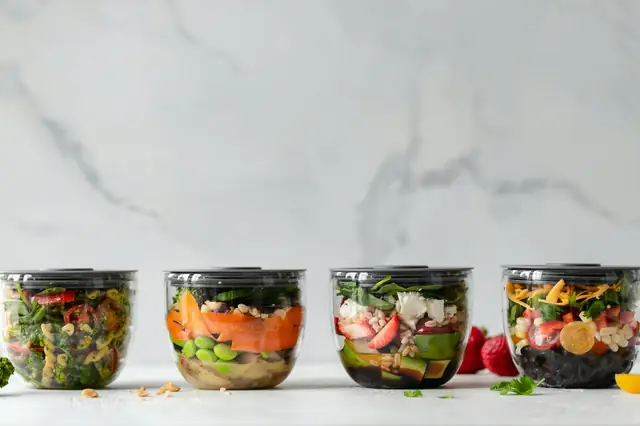 Problem-solving guide · 6 min readLeftover nights without the groans: how a double batch turns into a different dinnerNobody wants the same plate two nights running. Cook the base plain, split it before the sauce, and turn the second half into a different dinner.Read the guide
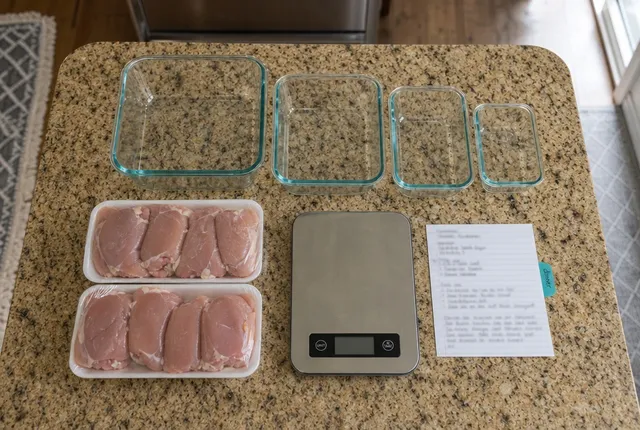 Problem-solving guide · 6 min readHow much shredded chicken for a week of dinners: count servings, not poundsBuying 2 lb per dinner leaves a tub of chicken nobody eats. Count servings for each dinner, add them up, then round the recipe up by half batches.Read the guide
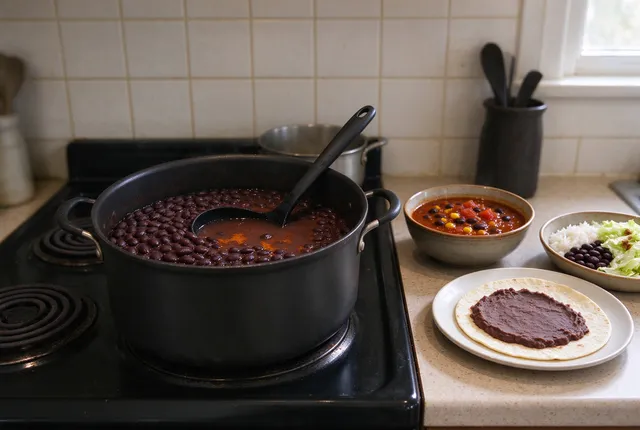 Know-how · 6 min readThree dinners from one pot of beans that don't taste like the same dinnerCook the pot plain, then send each part in a different direction: one soupy, one mashed, one in a bowl. Plus how many cups to cook and how many cans that is.Read the guide
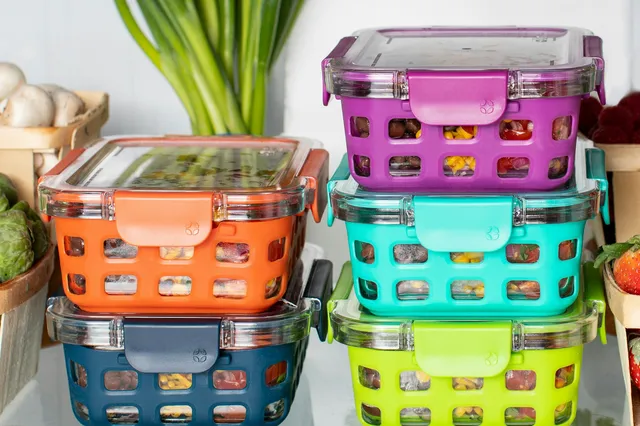 Know-how · 5 min readWhat size container for one dinner? Measuring a batch in cupsMeasure the batch in cups once, divide by the servings and multiply by the people at your table. That gives cups per dinner, and the container size follows.Read the guide
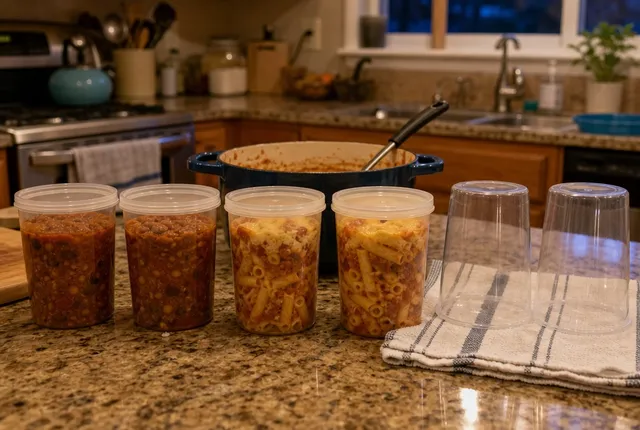 Problem-solving guide · 6 min readLeftovers for lunch all week: how much to cook, and how many containers two people needTwo people packing weekday lunches need 10 servings. Cook each dinner for the table plus the lunches until the next cook night, and keep about 6 containers.Read the guide
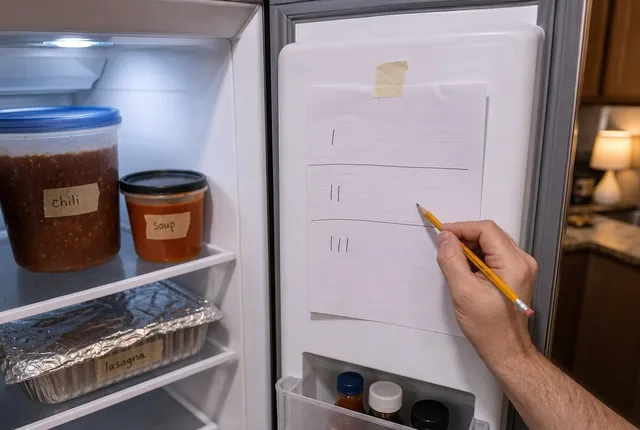 Practical note · 5 min readThe fridge door map: a two-minute leftover check before you shopBefore you write the grocery list, count what's cooked in the fridge as servings and match it to the meals ahead. One dinner often drops off the list.Read the guide
Checked and dated
Sources
- Meal Planning 101: quick tips (Create Better Health, week 2 handout), Utah State University Extension, Create Better Health (SNAP-Ed). Checked October 12, 2026.
- Food Waste FAQs, U.S. Department of Agriculture. Checked October 9, 2026.
- In a Pinch Food Yields (Guide E-132), New Mexico State University Cooperative Extension Service. Checked October 11, 2026.
- Cooking with Dry Beans, University of Illinois Extension, Eat.Move.Save.. Checked October 11, 2026.
- FoodKeeper App, FoodSafety.gov (USDA Food Safety and Inspection Service). Checked October 6, 2026.
Planning and arithmetic only, not nutrition, dietary, food-safety or financial advice. See every source on the sources page. Spotted an error? Tell us.