System · Weekly planning
The weekly dinner system: plan the week in one sitting
Quick answer
Once a week, in one sitting: check the calendar, give each night a job (cook, leftovers, assemble or flex), pick a dish type for each cook night, check the pantry, write one grocery list by store section, shop once, and compare the total with a weekly budget. Three cook nights with double batches cover six dinners.
Source: no outside figures in this answer.
- 3 → 6three cook nights with double batches cover six dinners
- 4 jobscook, leftovers, assemble and flex
- 1 tripone list in store order, one shop a week
- 4.333weeks in USDA's month: divide a monthly budget by it for a weekly figure
Source: USDA Food Plans, cost of food at three levels, August 2026, checked October 8, 2026.
Part 1
The decision first
Do it yourself
Use the system
You cook at home on at least a few nights, and the same person ends up deciding dinner every night. One sitting a week takes that question away.
Skip it
Skip the full plan
If you already shop every day and cook what looks good, or you eat out most nights, keep only the flex and assemble nights and a short standing list.
Get help
Get help instead
Medical diets, food allergies and feeding concerns need a registered dietitian or your doctor. This system plans the week and the shopping, not what anyone should eat.
Part 2
The steps, in order
Check the calendar
Mark late nights, practices, guests and nights out first. Those nights become assemble or flex nights before any cooking gets planned.
Have readyEveryone's weekThe week sheet
Give each night a job
Cook, leftovers, assemble or flex. Put a leftover night right after a cook night so one double batch covers two dinners. The weekly dinner plan lays this out and prints it.
Have readyThe week sheet
Pick dish types, not recipes
Give each cook night a dish type: tacos, pasta, a sheet-pan dinner, soup. The four-night rotation builder keeps the same theme on the same night, so this step takes a minute.
Have readyYour household's favorite dish typesRotation card, if you have one
Shop the pantry first
Look in the fridge, freezer and pantry before you write the list, and cross off what you already have. Anything that needs using up goes into this week's plan.
Have readyFridge, freezer and pantry
Write one list by store section
Produce, meat and fish, dairy and eggs, bakery, pantry, frozen, other. Next to each item, write the night it's for. A list in store order means one trip, and anything without a night is an extra.
Have readyThe list block on the printable
Check the total against a weekly budget
Divide the monthly figure by 4.333 for a weekly one; that's the factor USDA uses between weekly and monthly food costs. The grocery budget calculator gives a starting figure from USDA's food plan tables. Numbers only, not advice.
Have readyLast week's receiptA monthly budget figure
Source: USDA Food Plans, cost of food at three levels, August 2026, checked October 8, 2026.
Post it and roll it forward
Put the week on the fridge. Next week, start from this sheet: keep what worked and change one night.
Have readyA fridge magnet
Figure
The tools in this system
Let the tools do the arithmetic
- PlanWeekly dinner plan generatorPlan seven dinners as cook, leftover, assemble and flex nights, rotate four dish types, and print the week with a grocery list by store section.Open the tool
- PlanFour-night rotation builderPin four theme nights to fixed days, list your own versions of each, and print a rotation card that shows when every dinner comes back.Open the tool
- GroceryGrocery budget calculatorWork out a weekly and monthly grocery budget for your household from the USDA Food Plans cost tables, then print a monthly spending tracker.Open the tool
Part 3
What goes wrong
What happens when you skip a step, and how to catch it.
The plan ignores the calendar
A cook night lands on practice night, dinner gets skipped and the leftover night after it has nothing to serve. Check the calendar before giving out jobs.
Seven new recipes instead of four jobs
Planning a new recipe for every night takes longer than the week is worth, and the habit stops after a few weeks. Plan dish types and reuse what you know.
No flex night
When something comes up, a planned dinner gets wasted instead of moved. One open night absorbs the change.
The list skips the pantry check
You buy a second jar of what's already in the cupboard, and the grocery total creeps up week by week.
Part 4
Variants that change the steps
One person
Cook two nights and eat each one twice, and keep the rest assemble or flex. Scale recipes down with the portion scaler.
Two adults
A recipe that serves four is two dinners for two, so two or three cook nights cover most of the week.
Family with activities
Activity nights become assemble or leftover nights. Let each child pick one dish type a week; see dinners when nobody agrees.
Home late most nights
Cook on the weekend and on one weeknight with double batches, then rely on leftover and assemble nights after work.
Figure
From the kitchen table
Tips and tricks
Plan on the same day every week, right before you shop, so the pantry check is still accurate when you reach the store.
Write night jobs in pen and dish types in pencil. The dish can move; the job usually shouldn't.
Keep every week's sheet. After a month you have a rotation you already know your household will eat.
Halloween is on Saturday, October 31, 2026. Make it an assemble or flex night and cook a double batch earlier in the week.
If the receipt runs over, look for list items with no night next to them. Those are usually the extras.
Recommendation
What we would do
For your first week: three cook nights, each followed by a leftover night, one assemble night and no new recipes. Use dinners you already make, shop once, and write down what you spent. In week two, change only one thing.
Part 6 · Free, one page, US Letter
Print the working copy
Weekly dinner plan: working copy
- The week
- Grocery list, tied to the night
- The sitting
- Budget
Planned for the store: the full 4-Week Dinner Plan Kit, a binder of four week grids with a cook, assemble or eat-out row, grocery lists tied to each dinner slot, freezer inventory, monthly grocery tracker, one-person and two-adult week grids.
Part 5
The primary source
Official USDA Food Plans: Cost of Food at Home at Three Levels, U.S. Average, August 2026
USDA Food and Nutrition Administration, Center for Nutrition Policy and Promotion, published September 1, 2026. Checked October 8, 2026.
The budget step uses USDA's Food Plans cost tables (August 2026 prices), which give weekly and monthly food costs by age and household size and convert between them with a factor of 4.333 weeks a month.
Asked often
Questions
How do I start meal planning as a beginner?
Plan dinners only, for one week, using dinners you already make. Check the calendar, give each night a job, write one list and shop once. Add lunches or new recipes after the routine sticks.
How many dinners should I plan for a week?
Plan seven nights but not seven recipes. Three cook nights with double batches, two leftover nights, one assemble night and one flex night cover the week.
What is a flex night?
A night left open on purpose: takeout, a late practice, a fridge clear-out or a dinner moved from earlier in the week. It keeps one change from breaking the rest of the plan.
How do I turn a monthly grocery budget into a weekly one?
Divide it by 4.333, the factor USDA uses between weekly and monthly food costs. A $600 month is about $138.47 a week. Numbers only, not advice.
Source: USDA Food Plans, cost of food at three levels, August 2026, checked October 8, 2026.
What if the plan falls apart midweek?
Move the missed dinner to the flex night, or swap it with the next leftover night. Nothing gets bought twice, because the list was for the whole week.
Read next
Guides in this system
 Know-how explainer · 6 min readMeal planning for beginners: your first week in 20 minutesNew to meal planning? Plan one week of dinners in 20 minutes: check the calendar, look in the fridge, give each night a job and write one grocery list.Read the guide
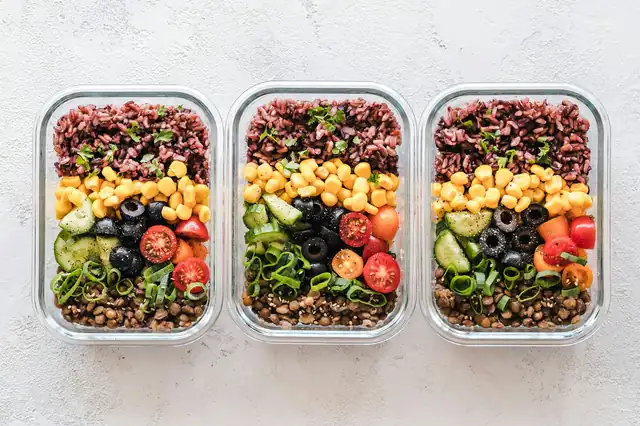 Problem-solving guide · 6 min readHow to plan a week of dinners when nobody agreesSettle the weekly dinner argument: find the overlap, give each night a job, take turns picking, and keep a flex night. Printable agreement sheet included.Read the guide
 Problem-solving guide · 6 min readGrocery bill keeps creeping up: a weekly routine that worksWhy grocery totals drift up week after week, and a short weekly routine to catch it: plan dinners, shop the pantry, buy from one list, log the receipt.Read the guide
 Know-how explainer · 6 min readTheme nights that actually last: four dish types instead of seven recipesTaco Tuesday wears thin by week three when it's always one taco. Pick four wide dish types, give each a few versions and rotate them weekly.Read the guide
Checked and dated
Sources
- Official USDA Food Plans: Cost of Food at Home at Three Levels, U.S. Average, August 2026, USDA Food and Nutrition Administration, Center for Nutrition Policy and Promotion. Checked October 8, 2026.
Planning and arithmetic only, not nutrition, dietary, food-safety or financial advice. See every source on the sources page. Spotted an error? Tell us.