System · Weekly planning
Get weeknight dinners back on track in three weeks
Quick answer
Don't rebuild the whole week at once. In week one, write down when everyone gets home each night, use up what's already in the fridge and freezer, and plan only three cooked dinners. Add a leftover night in week two and keep the dinners that worked. By week three, plan the full week in one sitting. As a time check, Americans aged 15 and over spent about 43 minutes a day on food preparation and cleanup in 2025, and about 65 minutes on days they did any.
Source: American Time Use Survey 2025, Table 1, BLS, checked October 14, 2026.
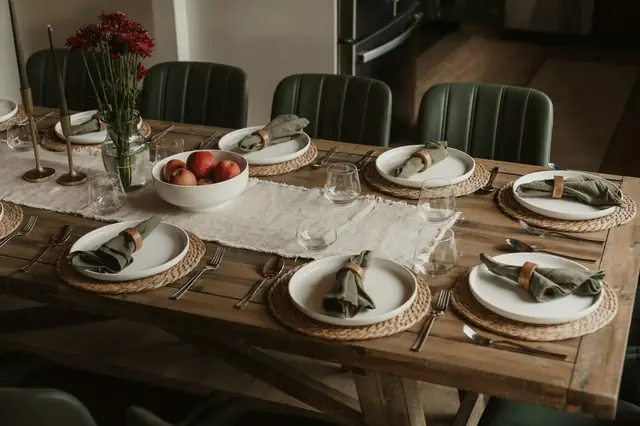
- 43 mina day on food prep and cleanup, averaged over all Americans 15 and over, 2025
- 65%of people did some food prep or cleanup on an average day in 2025
- 65 mina day for the people who did any, cleanup included
- 3cooked dinners in week one, all of them dinners you already know
Source: American Time Use Survey 2025, Table 1, BLS, checked October 14, 2026.
Part 1
The decision first
Do it yourself
Use the reset
School, work or activity schedules changed, and dinner has drifted into takeout or whatever is in the fridge. Three short weeks get a routine back without a big Sunday overhaul.
Skip it
Skip to the weekly plan
If your evenings look the same as before the break, go straight to the weekly dinner system and plan a full week this Sunday.
Get help
Get help instead
A new medical diet, food allergy or feeding worry needs a registered dietitian or your doctor. If paying for groceries is the problem this month, a local food pantry can help. This page plans times and lists only.
Part 2
The steps, in order
Write down the new week
For each night from Monday to Sunday, note when the last person gets home and when dinner has to be over. The gap is the time you really have for dinner that night, cleanup included.
Have readySchool and work calendarsActivity schedulesThe reset sheet
Give each night a type
Nights with the most time become cook nights. Short nights become assemble nights, where dinner is put together rather than cooked. Nights out or still unknown stay flex. For a reference line, people who did any food prep or cleanup in 2025 spent about 65 minutes on it that day, so a night with far less than that is a poor fit for a cook night.
Have readyThe minutes column
Source: American Time Use Survey 2025, Table 1, BLS, checked October 14, 2026.
Clear what's already in the house
Before planning dinners, list what needs using: opened jars, freezer bags, the half bag of rice. Build the first cook nights around that list. For how long something keeps, check USDA's FoodKeeper instead of guessing.
Have readyThe fridge, freezer and pantryA pen
Source: FoodKeeper App, FoodSafety.gov, checked October 6, 2026.
Plan three cooked dinners for week one
Pick three dinners you've made before, at least one built on what's in the house. Put them on the longest nights and fill the rest with assemble and flex nights. The weekly dinner plan lays out the week and prints it.
Have readyDinners everyone already knowsThe use-up list
Shop once, for the gap
Put the week's ingredients into the pantry-first grocery list, take off what's on the shelf, and shop once for the rest. Leave new recipes for later weeks.
Have readyThe week sheetThe pantry-first list
Mark each night as it happens
Tick made, swapped or skipped next to each dinner, and write a word on why when it didn't happen. Those notes shape week two.
Have readyThe last column of the sheet
Week two adds leftovers, week three is a full plan
In week two, double one cook night and serve it again the next evening. Keep the dinners marked made and drop the ones skipped twice. In week three, move to the weekly dinner system, or fix theme nights with the four-night rotation builder.
Have readyWeek one's sheet
Figure
Source: American Time Use Survey 2025, Table 1, BLS, checked October 14, 2026.
The tools in this system
Let the tools do the arithmetic
- PlanWeekly dinner plan generatorPlan seven dinners as cook, leftover, assemble and flex nights, rotate four dish types, and print the week with a grocery list by store section.Open the tool
- GroceryPantry-first grocery listList what the week's dinners need, enter what's already on the shelf, and get a store list of only the gap, rounded up to whole packages.Open the tool
- FreezerFreezer inventory and labelsList what's in the freezer, see it sorted oldest first, count how many dinners the cooked dishes cover, and print an inventory sheet with labels.Open the tool
- PlanFour-night rotation builderPin four theme nights to fixed days, list your own versions of each, and print a rotation card that shows when every dinner comes back.Open the tool
Part 3
What goes wrong
What happens when you skip a step, and how to catch it.
Seven new dinners in week one
A full week of new recipes in the first week back is hard to keep up, and when it slips the whole plan tends to get dropped. Familiar dinners on fewer nights are easier to finish.
Planning before checking the fridge
Food from before the break gets pushed to the back while you buy more. Clear the fridge and freezer first so the first dinners use it.
Planning around the old schedule
Practice nights and late meetings land where cook nights used to be. Write the new week down before giving any night a dinner.
No plan for the busiest night
The night everyone gets home late is the one that turns into takeout. Give it leftovers or an assemble dinner on purpose.
Skipping the review
Without the made, swapped and skipped marks, week two repeats week one's mistakes.
Part 4
Variants that change the steps
Kids with after-school activities
Plan around pickup times. Activity nights become assemble or leftover nights, and cook nights go on evenings with no practice.
Late shifts or long commutes
If nobody gets home with much time, move the cooking to the weekend: one or two batch dinners on Saturday or Sunday, then reheat and assemble on weeknights.
Cooking for one
Plan two cook nights in week one and eat each one twice. The portion scaler halves a family recipe.
Two cooks sharing the week
Split the week by nights. Each cook owns their nights, plans them and adds the ingredients to the shared list.
Figure
From the kitchen table
Tips and tricks
Count cleanup in the minutes. The time-use figures include it, and a dinner that cooks in 30 minutes but leaves 20 minutes of dishes doesn't fit a 30-minute night.
Keep one assemble dinner stocked for the worst night of the week: tortillas and beans, eggs and toast, or a bagged salad and a rotisserie chicken.
Put the week on paper on the fridge, where everyone walks past it.
Repeat dinners on purpose in the first weeks. Making the same three dinners twice still counts as a routine.
If a cook night falls through, move its dinner to the next night instead of buying more. The ingredients are already in the house.
Recommendation
What we would do
Start on a Sunday with the fridge and the calendar open, before any recipe list. Plan three dinners you already know, put them on the longest nights, and keep the busiest night for leftovers or an assemble dinner. Give it two weeks before you add anything new.
Part 6 · Free, one page, US Letter
Print the working copy
Weeknight reset: week one
- The new week
- Use up first
- Before you shop
- Week two
Planned for the store: the full Weeknight Reset Kit, a binder of week one reset sheet: new schedule, minutes per night, night types, use-up list for fridge, freezer and pantry, week two sheet with one doubled dinner and a leftover night, dinner log: made, swapped, skipped and why, shift-work version: weekend batch day plus reheat nights.
Part 5
The primary source
U.S. Bureau of Labor Statistics, published June 25, 2026. Checked October 14, 2026.
The American Time Use Survey is the federal count of how Americans spend their day. Its 2025 table gives the average time spent on food preparation and cleanup, which we use as a reference line when you set a weeknight time budget. BLS published the table on June 25, 2026, and we checked it on October 8, 2026.
Asked often
Questions
How do I get back into meal planning after summer?
Start smaller than before. Write down the new schedule, use what's in the fridge, and plan three dinners you already know for the first week. Add a leftover night in week two and plan the full week in week three.
How much time do people spend cooking dinner?
The American Time Use Survey counts food preparation and cleanup for all meals together. In 2025, Americans aged 15 and over averaged about 43 minutes a day, and the 65% who did any on a given day spent about 65 minutes on it. Your own nights will differ, which is why the reset sheet has you measure them.
Source: American Time Use Survey 2025, Table 1, BLS, checked October 14, 2026.
What is an assemble night?
A dinner put together from things that need little or no cooking: wraps, a snack board, eggs on toast, leftovers over rice. It's the plan for the nights with the least time.
Should I throw out what was in the freezer over the summer?
This page doesn't give storage times. Check each item in USDA's FoodKeeper, then put what's still good at the top of week one's use-up list.
Source: FoodKeeper App, FoodSafety.gov, checked October 6, 2026.
Why only three cooked dinners in the first week?
Three dinners you know are easy to shop for and easy to finish. If week one goes well, week two adds a leftover night and week three plans the whole week.
Read next
Guides in this system
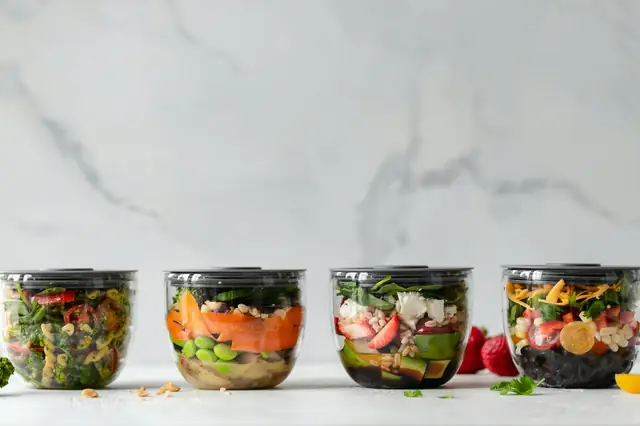 Know-how explainer · 6 min readMeal planning for beginners: your first week in 20 minutesNew to meal planning? Plan one week of dinners in 20 minutes: check the calendar, look in the fridge, give each night a job and write one grocery list.Read the guide
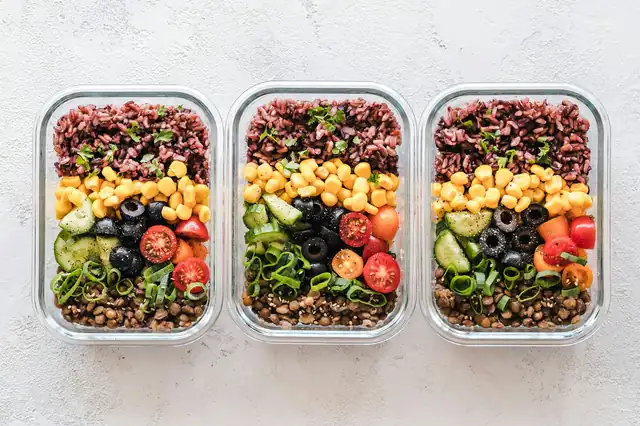 Problem-solving guide · 6 min readHow to plan a week of dinners when nobody agreesSettle the weekly dinner argument: find the overlap, give each night a job, take turns picking, and keep a flex night. Printable agreement sheet included.Read the guide
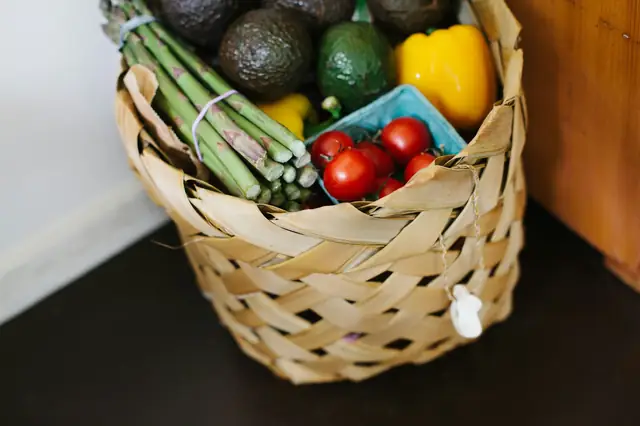 Problem-solving guide · 6 min readGrocery bill keeps creeping up: a weekly routine that worksWhy grocery totals drift up week after week, and a short weekly routine to catch it: plan dinners, shop the pantry, buy from one list, log the receipt.Read the guide
Checked and dated
Sources
- American Time Use Survey, 2025 Results, Table 1: Time spent in primary activities, averages per day by sex, 2025 annual averages, U.S. Bureau of Labor Statistics. Checked October 14, 2026.
- FoodKeeper App, FoodSafety.gov (USDA Food Safety and Inspection Service). Checked October 6, 2026.
Planning and arithmetic only, not nutrition, dietary, food-safety or financial advice. See every source on the sources page. Spotted an error? Tell us.